
In the fast-paced world of corporate events, calm execution event management is the skill that separates ordinary gatherings from truly memorable experiences. Every detail—from scheduling and logistics to guest engagement—requires precision and composure. Experienced event teams understand that pressure is inevitable, but maintaining a calm, organized approach ensures that challenges are handled smoothly and events run seamlessly. By mastering calm execution, event professionals not only deliver flawless experiences but also build trust with clients and stakeholders. Whether coordinating high-profile meetings, conferences, or large-scale corporate celebrations, this skill allows teams to respond effectively under stress, making it an essential capability for anyone serious about professional event management.
Calm execution event management is one of the most underrated skills in the events industry.
While creativity and event design often receive the most attention, the ability to stay calm and make clear decisions during a live event is what truly protects the guest experience.
Speakers may arrive late.
Technology may need adjustments.
Schedules can shift unexpectedly.
In these moments, calm execution ensures the event continues smoothly without affecting attendees.
Creativity often gets the spotlight in the event industry.
Beautiful stage designs, immersive experiences, and memorable guest moments are what people notice first.
But behind every successful event is a skill that rarely gets talked about:
Calm execution.
Because when an event goes live, even the most detailed plan can shift.
Speakers change schedules.
Technology needs adjustments.
Travel delays affect guests.
And in those moments, the most valuable skill an event professional can have is the ability to stay calm and keep the experience moving forward.
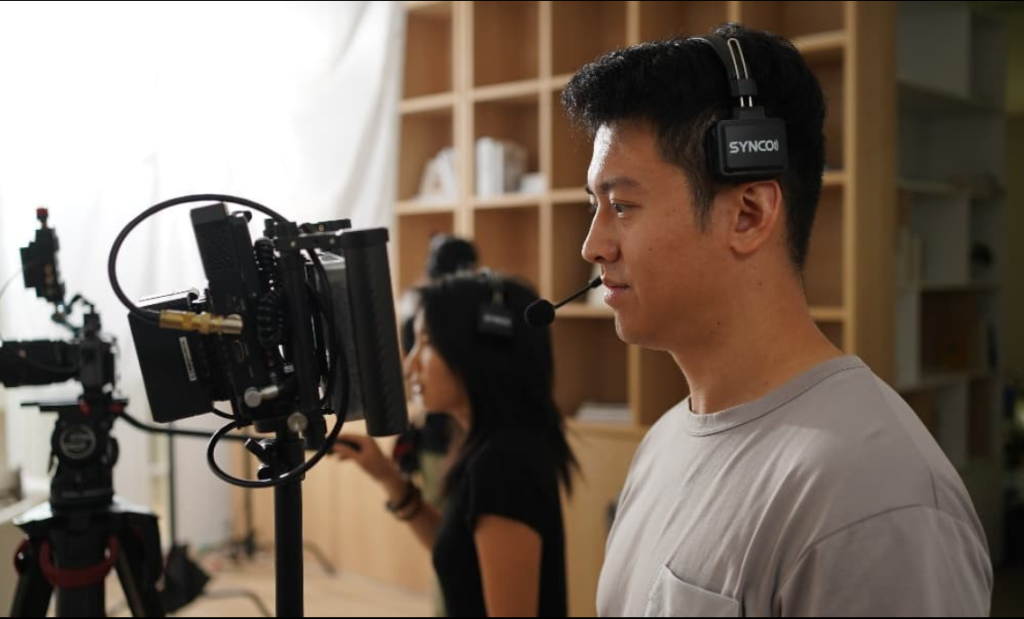
Why Calm Execution Event Management Matters in Corporate Events
Live events involve many moving parts including speakers, audiovisual teams, venue staff, catering teams, and guest logistics.
Even the most carefully planned events experience last-minute adjustments.
A survey of professional meeting planners found that 76% say last-minute changes are one of the most frustrating parts of their job, highlighting the constant pressure event teams manage during live events.
Because of this, calm execution in event management becomes essential for maintaining a seamless guest experience.
Corporate events operate in highly dynamic environments.
They involve multiple stakeholders simultaneously:
• speakers
• AV production teams
• venues
• catering teams
• registration teams
• corporate leadership
Even with detailed planning, unexpected changes are part of the job.
Research from the event industry consistently highlights how common operational challenges are during live events.
For example, industry insights from Skift Meetings emphasize how logistics and operational coordination remain some of the biggest challenges for event planners.
This is why experienced teams place as much emphasis on execution and adaptability as they do on planning.
Other operational challenges planners frequently face include technical failures, speaker delays, and scheduling adjustments.
Source:
https://time.ly/blog/challenges-of-event-planning-you-should-be-ready-for/
Because of this, successful events depend not only on planning but on the ability of teams to respond calmly when things change.
What Calm Execution Event Management Looks Like in Practice
Calm execution is not about avoiding problems.
It is about responding to challenges in a way that protects the guest experience.
The most effective event professionals develop systems and habits that allow them to stay focused even when plans shift.
Quiet Problem Solving
One of the defining traits of experienced event teams is the ability to solve problems quietly.
A microphone fails.
A speaker arrives late.
A session needs to shift by ten minutes.
Rather than creating visible disruption, the team resolves the issue while the program continues smoothly.
Guests rarely notice operational adjustments when teams remain composed.
Developing Calm Execution Event Management
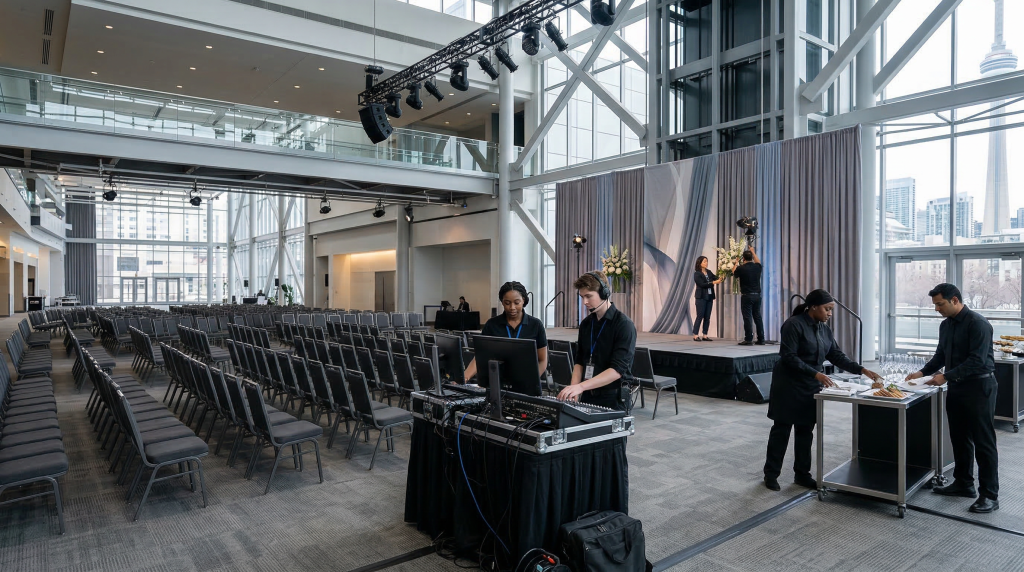
Experienced event professionals develop calm execution event management through preparation, communication, and operational planning.
Detailed run-of-show timelines, technical rehearsals, and clear team roles help event teams stay organized when unexpected situations arise.
These systems allow planners to make fast decisions while maintaining the overall flow of the event.
Clear Decision-Making Under Pressure
Live events require fast decisions.
A keynote might run longer than planned.
A technical issue may affect the program schedule.
A travel delay could require a session adjustment.
Event teams must make quick decisions while maintaining the flow of the event.
Industry insights highlight how common these situations are.
Operational challenges such as technical failures, staffing issues, or unexpected schedule changes often require immediate decisions from event teams.
Because of the number of moving parts involved, calm decision-making becomes one of the most valuable skills in event management.
The Hidden Complexity of Corporate Events
The Hidden Complexity of Corporate Events
Corporate events may appear seamless to attendees, but they involve complex coordination behind the scenes.
Multiple elements must work together at the same time:
• speaker logistics
• audiovisual production
• guest registration
• catering operations
• room transitions
• program timing
If one element changes, the entire event timeline can shift.
For example, a technical adjustment to presentation equipment or a change to the speaking schedule may require coordination between production teams, stage managers, and event planners.
Without calm leadership and communication, these changes can quickly affect the flow of the event.
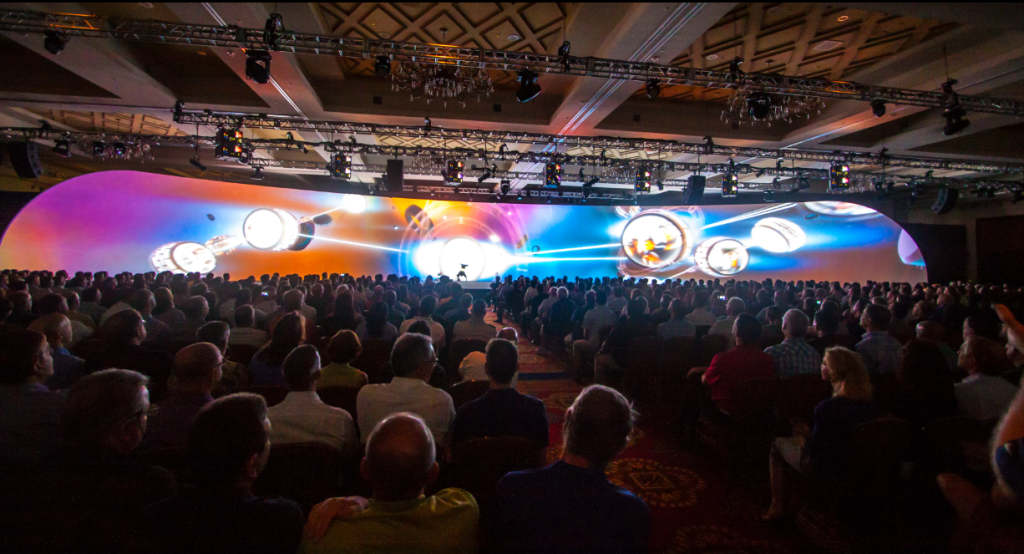
Why Guests Rarely Notice the Challenges
One of the most interesting aspects of events is that guests rarely see the complexity behind them.
A keynote speaker may adjust their presentation minutes before going on stage.
A seating change might happen during registration.
A production cue may shift during rehearsals.
But when teams execute calmly, the event still feels seamless.
Guests remember the keynote.
They remember the conversations.
They remember the atmosphere.
They rarely remember the operational challenges behind the scenes.
Why Preparation Enables Calm Execution
One of the biggest misconceptions about event planning is that staying calm comes from reacting quickly.
In reality, calm execution comes from preparation before the event begins.
Professional planners develop operational tools that guide the event team throughout the program.
These may include:
• run-of-show timelines
• production schedules
• contingency plans
• communication protocols
These systems allow teams to respond quickly without creating stress across the room.
When the team knows exactly what needs to happen next, adjustments become easier to manage.
How Event Professionals Develop Calm Execution
Calm execution is a skill developed through preparation, experience, and teamwork.
Experience
Event professionals who manage multiple events learn to anticipate potential challenges and respond quickly.
Preparation
Detailed planning and contingency strategies help teams reduce uncertainty during live events.
Communication
Clear communication between planners, production teams, and vendors ensures that everyone understands their role when adjustments are needed.
Together, these practices help teams maintain focus even in high-pressure environments.
Team Culture
When teams trust each other and communicate clearly, they can adapt quickly without creating stress across the room.
Organizations planning conferences, leadership retreats, or client events often rely on experienced teams to manage these details effectively.
You can learn more about how professional planners support corporate gatherings here:
Frequently Asked Questions
What is calm execution event management?
Calm execution in event management refers to the ability of event professionals to remain composed, make clear decisions, and solve operational challenges during live events without disrupting the guest experience.
Why is calm execution event management important ?
Calm execution ensures that unexpected challenges during events do not disrupt the guest experience. When teams remain composed, they can resolve problems quickly and keep the event running smoothly.
Do all events experience last-minute changes?
Yes. Even well-planned events often encounter adjustments such as speaker delays, technical issues, or schedule changes. Experienced event planners anticipate these possibilities and plan accordingly.
What skills help event planners stay calm during events?
Preparation, communication, leadership, and experience managing live environments all help event professionals stay calm when challenges arise.
How do event planners prepare for unexpected challenges?
Professional planners rely on detailed run-of-show documents, rehearsals, contingency plans, and strong team communication to respond quickly when changes occur.
Final Thoughts
Creativity may inspire the event.
But calm execution event management protects the experience.
The most memorable events rely on teams who can stay focused when things change and ensure that guests never feel the pressure behind the scenes.
In the end, it is that quiet professionalism that allows events to feel effortless.
illuminate EVENTS, your partner in trust keeps all events honest! Talk to our team today!