
Every leader knows the pattern.
Monday’s team-building event is electric. Energy is high. Conversations flow. The room feels aligned.
By Tuesday morning, everything resets.
The recap email gets archived. The shared deck goes unopened. Old communication habits quietly return. The same friction resurfaces.
This is the Tuesday Morning Problem — and it’s not inevitable.
It’s what happens when strategic design in corporate events is missing.
At illuminate EVENTS, we believe events should not create temporary inspiration. They should create measurable change.

Strategic Design in Corporate Events vs Traditional Event Planning
Most corporate gatherings are planned. Very few are designed.
Planning focuses on logistics — venue, catering, agenda timing.
Strategic design focuses on behavioral outcomes — alignment, trust, execution, accountability.
When strategic design in corporate events guides the process, every element maps back to a business objective:
- What specific behavior needs to shift?
- What friction needs to dissolve?
- What performance metric needs improvement?
Without that clarity, even the most engaging experience becomes a high-energy pause — not a turning point.
Strategic Design in Corporate Events for High-Performance Teams
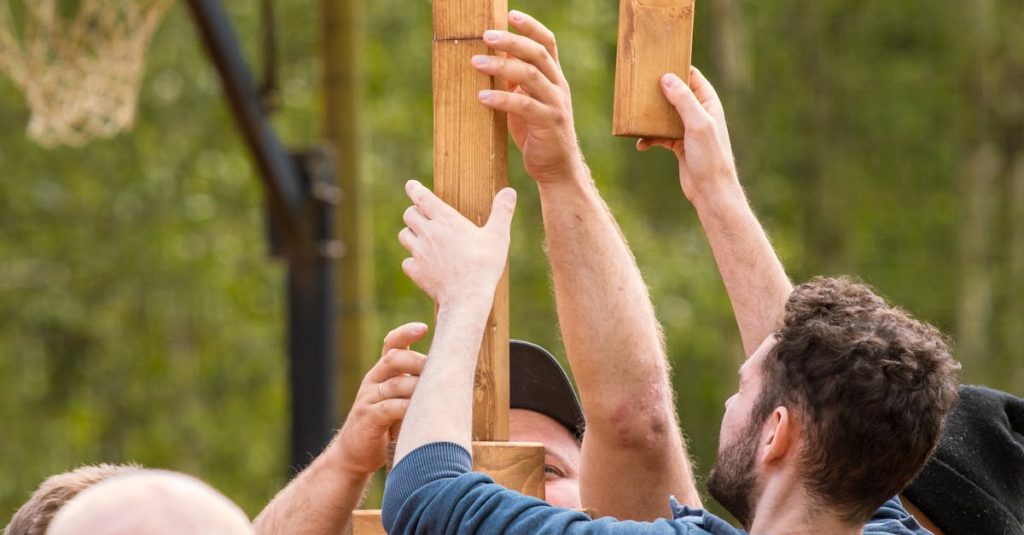
Connection is not a “soft” outcome. It is an operational advantage.
Teams that lack trust experience delays, miscommunication, siloed decision-making, and duplicated effort. Real team development does not happen through surface-level icebreakers. It happens through intentional, shared problem-solving experiences that strengthen internal dynamics.
Research published by Harvard Business Review shows that high-trust teams experience significantly higher productivity and engagement, reinforcing why strategic design in corporate events must intentionally build trust into the experience.
Research from Harvard Business Review consistently shows that high-trust teams outperform their peers in productivity and engagement.
Strategic design in corporate events creates structured environments where:
- Trust is built through challenge
- Communication is clarified through action
- Accountability is practiced, not preached
When the experience mirrors real business pressures — in a controlled and purposeful way — teams leave better equipped to execute.
And that impact is visible on Tuesday morning.
Strategic Design in Corporate Events Through Mindfulness and Resilience
Many corporate gatherings are reactive. Morale dips, stress rises, and an event is organized as a “boost.”
But resilience cannot be installed in a single afternoon.
A more human-centered approach integrates mindfulness and resilience training into the design itself. Instead of offering a break from work, the experience builds capacity for work.
Through strategic design in corporate events, leaders can help teams:
- Develop emotional regulation under pressure
- Strengthen decision-making clarity
- Increase focus and adaptability
- Reduce reactive communication patterns
These are not wellness perks. They are performance tools.
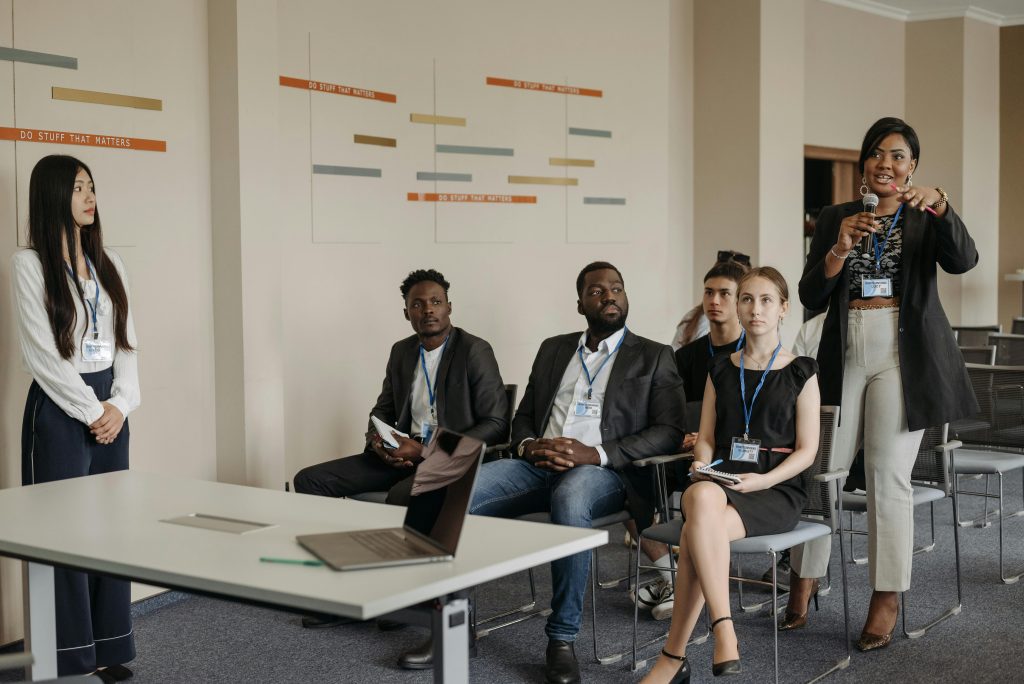
And when embedded into the event architecture, they extend far beyond the session.
Designing for the Day After
The true measure of a corporate gathering is not the energy in the room — it is the efficiency of the team the next day.
Strategic design in corporate events shifts the goal from applause to application.
It ensures that:
- Conversations translate into commitments
- Insights convert into execution
- Inspiration becomes operational momentum
Frequently Asked Questions
What is strategic design in corporate events?
Strategic design in corporate events is the intentional alignment of event structure, content, and experience with long-term business objectives.
Why do most corporate events fail to create lasting change?
Most events focus on engagement in the moment rather than measurable performance outcomes after the event.
How do you measure ROI in corporate events?
ROI is measured through behavioral shifts, improved communication, team efficiency, and long-term performance metrics.
At illuminate EVENTS, we design experiences with the “day after” in mind. Because transformation is not about the highlight reel — it is about the habits that follow.
When events move away from check-the-box activities and toward intentional design, they become milestones in organizational growth.
And the Tuesday Morning Problem disappears.